What to Confirm if You’re Offered a Free Upgrade at Car Hire Pick-Up in Uganda
October 19, 2026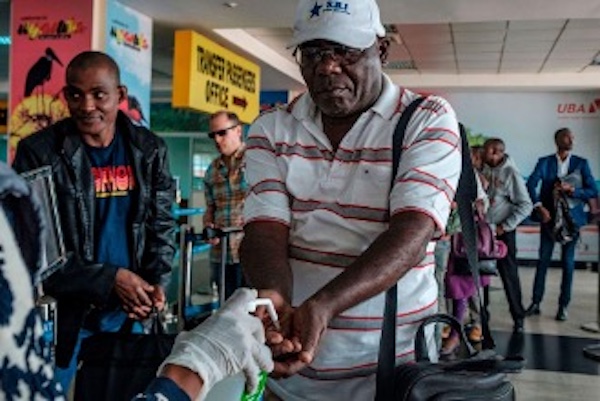
Uganda has maintained passenger locator form procedures for travellers arriving at and departing from Entebbe International Airport as part of airport health measures associated with Ebola preparedness. Travellers are advised to complete the required form online before reaching the airport to help make the arrival and departure process smoother.
However, it is important to distinguish Uganda’s Ebola status from the wider outbreak situation in the region. Official information available as of 23 October 2026 indicates that Uganda was declared Ebola-free on 28 July 2026. The Ministry of Health subsequently issued a statement titled “No Ebola in Uganda” on 20 October 2026. Meanwhile, Ebola outbreak concerns have continued in the neighbouring Democratic Republic of the Congo (DRC).
Although Uganda has been declared Ebola-free, travellers should continue to check official guidance because airport screening procedures and public health requirements may remain in place or change as circumstances develop.
The Uganda Civil Aviation Authority’s published airport measures require passenger locator forms for travellers arriving at and departing from Entebbe International Airport. Visitors planning a holiday, business trip, gorilla trekking adventure or wildlife safari should therefore prepare for these procedures before travelling.
How to Fill in Uganda’s Passenger Locator Form in 2026
Travellers can access the online passenger locator form through Uganda’s official Passenger Locator and Declaration System.
Official passenger locator form: https://poes.health.go.ug/declare/
Passengers should open the link and follow the instructions to provide the requested information. It is advisable to complete the process before travelling to Entebbe International Airport rather than waiting until arrival or departure.
After submitting the form, travellers should keep the generated QR code accessible. Health officials can scan the code during airport procedures, including when passengers arrive in Uganda or depart from the country.
Steps to Complete the Passenger Locator Form
- Visit the official website:Open https://poes.health.go.ug/declare/ on your phone, tablet or computer.
- Enter your details:Complete the requested fields accurately, following the instructions on the website.
- Submit the form:Review the information before completing your submission.
- Save your QR code:Keep the confirmation or QR code accessible on your phone, or use any available option to save it.
- Present the QR code at the airport:Follow the instructions of airport health officials when asked to present your code for scanning.
Travellers should ensure their phones are charged and that they can access the confirmation when required. Keeping an offline copy may be useful if internet access is unreliable, provided the system permits it.
Passengers experiencing difficulties with the online form should consult the relevant authorities for assistance. They should also check the official website before departure in case the process or requirements have changed.
What Is Uganda’s Current Ebola Status?
Uganda’s Ebola status is an important consideration for international visitors planning travel in 2026. According to official information available as of 23 October 2026, Uganda was declared Ebola-free on 28 July 2026. The Ministry of Health reinforced this position with its 20 October 2026 statement, “No Ebola in Uganda.”
This means that travellers should not confuse the ongoing Ebola outbreak in the Democratic Republic of the Congo with an active outbreak in Uganda. The two countries have distinct public health situations, and travel decisions should reflect the latest official information for each destination.
Nevertheless, the declaration of a country as Ebola-free does not necessarily mean that all airport health measures are immediately withdrawn. Authorities may maintain preparedness procedures, passenger information systems and other screening arrangements to support public health monitoring and respond to changing regional circumstances.
For this reason, travellers should comply with the passenger locator form requirements published for Entebbe International Airport, even when Uganda has no active Ebola outbreak.
Before travelling, visitors should consult the Uganda Ministry of Health, the Uganda Civil Aviation Authority, the World Health Organization (WHO), their airline and their home country’s travel advisory service for updated information.
What Travellers Should Expect at Entebbe International Airport
Entebbe International Airport is Uganda’s principal international gateway, serving visitors arriving for tourism, business, family visits and onward travel.
Travellers arriving in Uganda should be prepared to present the QR code generated by their completed passenger locator form when requested by health officials. Passengers departing Uganda should also complete the form and follow the applicable airport instructions.
Completing the form in advance can help reduce avoidable delays. However, passengers should not assume that a QR code automatically exempts them from other screening procedures or documentation requirements that authorities may introduce.
Travellers should arrive at the airport with sufficient time for check-in, immigration, security, and any applicable health procedures. They should also monitor communications from their airline before departure.
Uganda Travel Guide During the Ebola Outbreak Concerns of 2026
Uganda remains a destination for visitors interested in mountain gorillas, chimpanzees, wildlife safaris, cultural experiences and scenic landscapes. With Ebola concerns continuing in parts of the region, travellers should plan carefully, use reliable information and follow appropriate health advice.
The following practical recommendations can help visitors prepare for their journeys.
- Check Official Health and Travel Advisories
Before departure, consult Uganda’s Ministry of Health, the Uganda Civil Aviation Authority, the WHO and your country’s travel advisory service.
Check whether any additional screening, entry documentation or travel restrictions apply to your itinerary. Requirements may change according to regional developments and government decisions.
Avoid relying exclusively on social media posts or outdated articles. Official sources provide the most appropriate guidance on current outbreak conditions and travel requirements.
- Complete the Passenger Locator Form Before Going to the Airport
Travellers should complete the online form before arriving at Entebbe International Airport.
Use the official link: https://poes.health.go.ug/declare/
Keep the resulting QR code accessible for scanning by health officials. Completing the form early can make airport procedures more straightforward and reduce the risk of last-minute problems.
Even though Uganda was declared Ebola-free in July 2026, travellers should continue to comply with published airport requirements unless the relevant authorities announce a change.
- Consider Private Travel with a Rental Car
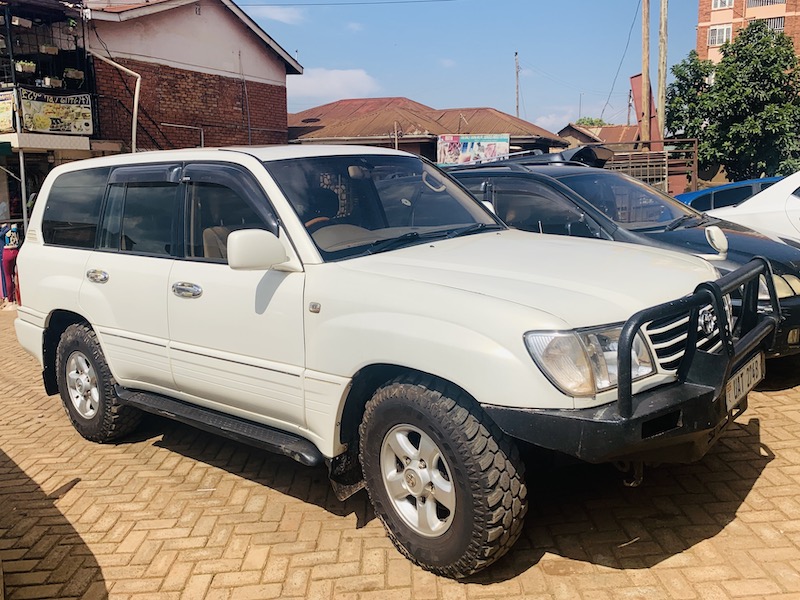
Visitors planning to explore Uganda may consider private transport rather than relying entirely on shared public transport. Renting a vehicle from a reputable company, such as Car Rental Uganda Entebbe, offers an option for organising travel between the airport, hotels, national parks and other destinations.
Private transport can provide greater flexibility over schedules, routes and stops. It may also reduce the number of shared transport journeys and allow travellers to organise their itineraries around their preferences.
A private rental car does not eliminate the risk of infectious disease exposure and should not be presented as a guarantee of protection against Ebola. Travellers should continue to follow official health guidance and avoid areas where authorities advise against non-essential visits.
- Practise Good Hygiene and Follow Health Advice
Travellers should maintain good hygiene and follow public health recommendations during their stay.
Wash your hands regularly with soap and water, or use an appropriate hand sanitiser when washing facilities are unavailable. Avoid contact with bodily fluids and do not handle animals found dead or visibly sick.
Ebola is not generally transmitted through the air in the same way as measles or influenza. Transmission primarily occurs through direct contact with the blood or other bodily fluids of an infected person who is ill or has died, or through contaminated objects and materials.
Although Uganda has been declared Ebola-free, travellers should remain informed about regional developments and follow health advice appropriate to their destinations.
If you develop symptoms that concern you after a possible exposure, seek guidance from local health authorities or a healthcare provider. Contact health services before visiting a crowded facility so that you can receive instructions on the safest way to obtain an assessment.
- Plan Gorilla Trekking and Wildlife Safaris Carefully
Uganda is internationally recognised for mountain gorilla trekking in Bwindi Impenetrable National Park and Mgahinga Gorilla National Park. Other popular attractions include Kibale Forest National Park, Queen Elizabeth National Park and Murchison Falls National Park.
Before travelling to these destinations, confirm that your selected parks, lodges and activities are operating normally and check for any applicable public health restrictions.
Gorilla trekking involves established health precautions because humans can transmit certain infections to great apes. Visitors must follow park rules, maintain the required distance from gorillas and comply with instructions from guides and park staff.
Anyone who feels unwell should inform their tour operator and follow official advice before participating in trekking or other wildlife activities.
Travellers should not assume that every destination in Uganda is affected equally by regional health concerns. Instead, they should make decisions using current, location-specific information from the relevant authorities.
- Choose Reputable Accommodation and Tour Operators
Book accommodation and activities with established providers that communicate clearly about health procedures, cancellation policies, and itinerary changes.
Ask your tour operator how it responds to new government advisories and what assistance it can offer if travel arrangements need to change. Keep copies of your bookings, travel insurance documents and emergency contacts.
Review your insurance policy carefully, particularly exclusions related to epidemics, pandemics, government restrictions, and medical evacuation. Confirm your coverage directly with the insurer rather than assuming all outbreak-related expenses will be covered.
Should You Cancel Your Trip to Uganda Because of Ebola?
Uganda’s declaration as Ebola-free on 28 July 2026, together with the Ministry of Health’s 20 October statement, should be distinguished from the continuing outbreak situation in the Democratic Republic of the Congo.
Whether to proceed with a trip depends on the latest official health advice, the destinations included in the itinerary and each traveler’s circumstances. There is no single recommendation that applies to every visitor.
Travellers should review current advisories, contact their airline and tour operator, and confirm any applicable airport requirements before making a final decision. Visitors with specific medical concerns should consult a qualified healthcare professional before departure.
For those proceeding with their journeys, completing the passenger locator form, keeping the QR code accessible and organising reliable transport can help make travel arrangements more straightforward.