

Uganda National Park Fines and Penalties Every Tourist Should Know (2027–2028)
July 16, 2026
What to Confirm if You’re Offered a Free Upgrade at Car Hire Pick-Up in Uganda
October 19, 2026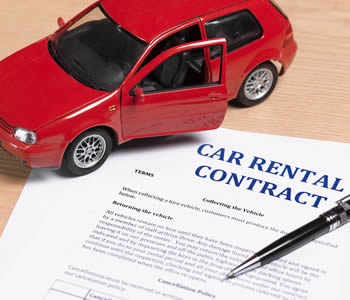
Renting a car in Uganda can be exciting, especially if you are planning a self-drive safari or exploring cities like Kampala and Entebbe. But car hire agreements can sometimes include optional products presented as mandatory charges, leading to unexpected costs. The simplest way to avoid surprises is to treat your contract as a detailed checklist: read every priced line item, confirm what’s included in your rate, and ensure that optional items remain optional. Subtle wording like “accepted,” “per day,” or “minimum days” can turn a small add-on into a significant extra expense.
This guide walks you through the key sections to review before signing, ensuring you leave with the car you intended at the price you expected. Whether you’re picking up a vehicle in Kampala, Entebbe, or at a border town like Malaba, applying these checks can save you stress and money.
1) Start with totals, rate basis, and what “includes” actually means
Before looking at extra products, make sure the agreement matches the rate you booked. Check the base rate (usually listed per day) and the rental period, then verify the subtotal and grand total. If the agreement shows a different number of days, a different daily rate, or a different time range than you expected, request corrections before signing.
Total estimated charges: Confirm that the total includes local taxes and mandatory fees. In Uganda, airport and city pick-up fees can be significant, so ensure they are itemised and consistent with your booking quote.
Rate code and inclusions: If the contract mentions a rate that includes insurance coverage, a second driver, or certain vehicle features, make sure these appear as included at zero cost, rather than being added as a daily charge.
Minimum charge days: Some companies bill a minimum number of days even if you rent for fewer, so watch for phrases like “minimum 3 days.”
Currency and payment method: Ensure charges are listed in the currency you agreed to and that any conversion or card-processing fees are clearly explained and applied only with your consent.
2) Insurance and protection products: mandatory vs optional
Insurance is often where unwanted extras appear. Rental agreements should clearly separate what is required by law or company policy from what you can decline.
Loss Damage Waiver (LDW) or Collision Damage Waiver (CDW): Usually optional, though agents may present it as essential. If your booking already includes coverage, it should appear as included rather than as an additional daily fee.
Supplemental Liability Insurance (SLI) or Third-Party Liability: Often optional. Check the coverage limits and confirm that you aren’t paying twice for the same protection.
Personal Accident Insurance (PAI) and Personal Effects Coverage (PEC): These are optional and commonly added unless you explicitly decline.
Roadside Assistance or Roadside Plus: Sometimes optional, billed per day. Confirm whether basic roadside support is already included for mechanical issues versus optional services covering tyres, keys, or towing.
Check the wording: Look for tick boxes, initials, or lines showing “Accepted.” If an item is optional and you don’t want it, request it be marked “Declined” and confirm the cost is removed from the total. Keep a copy of the agreement with declined options clearly visible.
Whether picking up a vehicle in Kampala city or near Entebbe Airport, the principle is the same: review protection lines and totals before leaving the counter.
3) Additional drivers and authorised driver language
Extra drivers are a common place for unexpected fees. The agreement may automatically charge a per-day fee for anyone listed. Confirm whether additional drivers are included, whether the fee is per day or capped, and ensure everyone who may drive is listed to avoid fines or liability issues.
4) Fuel policy and refuelling service charges
Fuel can be a source of surprises. Your agreement should clearly show one fuel policy—either full-to-full or prepaid—without overlapping options. Note the refuelling service charge if you return the car with less fuel than required.
5) Tolls, convenience fees, and administrative charges
Uganda has several toll roads, especially around highways leading to Entebbe, Jinja, or tourist areas like Lake Bunyonyi. Rental companies often offer toll programmes or prepaid convenience services. Check whether participation is optional, how daily fees are calculated, and if any administrative charges apply per toll or service event. This is particularly important for self-drive safari travellers using major highways to national parks.
6) Deposits, pre-authorisations, and triggers for extra holds
Deposits aren’t actual charges but can affect your available credit. Your agreement or rental terms should state the pre-authorisation amount, payment rules, and what could change the hold, such as upgrading to a larger vehicle or returning in a different city. Ask how long the hold typically takes to release after return.
7) Mileage, return time, and after-hours rules
Many Uganda car rentals offer unlimited mileage, but always confirm. Check for any daily mileage limits, per-kilometre fees, late-return grace periods, and after-hours return procedures. Responsibility for the car may continue until it is formally checked in.
8) Optional equipment and service fees
Optional equipment may include GPS, child seats, Wi-Fi, or roof racks. Confirm the daily price for any optional items and whether adding them changes fuel policies, deposit amounts, or insurance requirements. Check for cleaning or smoking fees as well.
9) Damage documentation before departure
Even if you avoid add-ons, unwanted extras can appear later if damage is disputed. Before leaving the lot, take photos or video of the vehicle, ensure existing marks are documented, and keep a signed copy of the agreement. For busy pickup locations such as Entebbe Airport, having proof helps finalise the return smoothly.
10) A quick counter script to prevent surprises
Use this sequence at the desk:
- Confirm vehicle class and rental dates.
- Verify the total price line.
- Go line by line through insurance, tolls, fuel, additional drivers, and equipment.
- Ask the agent to reprint the agreement after any changes.
- Sign only once the totals reflect your choices.
If a product is described as required, ask where it appears as mandatory in the contract—optional products should always be clearly marked as such.
FAQ
Q: How can I tell if an add-on is optional or mandatory on a Ugandan car hire agreement?
A: Look at the wording next to the item. Mandatory items are labelled as required fees, taxes, or legal obligations. Optional items have acceptance or decline indicators and separate daily charges.
Q: What contract lines commonly cause unwanted extras?
A: Common examples include LDW/CDW, SLI or third-party liability, roadside assistance, prepaid fuel, toll programmes, and additional driver fees.
Q: Why might the agreement show a higher total than the online quote?
A: Differences can arise from altered rental times, added products, taxes or airport fees, or an upgraded vehicle class. Compare each priced line item to your original booking.
Q: Is a deposit the same as an extra charge?
A: No, a deposit or pre-authorisation is a temporary hold on funds, not a charge. The amount reduces available credit until released and may vary by vehicle class or payment method.
Q: What proof should I keep in case of a dispute?
A: Retain the signed agreement, photos or video of the car at pick-up and return, fuel receipts, and any return confirmation showing mileage, time, and fuel level.
By following these checks, travellers renting a car in Uganda can avoid unnecessary extras, ensuring a smooth self-drive safari or urban exploration without surprise costs.

